


EDInnovator Spotlight
Learn More About Medley
Medley is a browser extension that helps multilingual learners access grade-level content in real time. The AI-enabled tool works by adding academic scaffolds directly onto the digital materials students are already using. Through research-backed language supports like definitions, translations, text amplification (chunking, headers, academic language support), and response starters, Medley helps students engage more deeply with complex text. Because Medley travels wherever students go online, support is available throughout the entire school day. The tool helps prevent over-scaffolding by customizing just-right supports to each student, while also leveraging students’ home languages as assets for learning and comprehension. By embedding supports directly into classroom materials, Medley helps multilingual learners build English language skills while staying fully included in the learning happening around them.
What sets Medley apart?
Many tools for multilingual learners rely on separate programs or simplified content. Medley takes a different approach by supporting students within the same materials their classmates are using.
The platform automatically adjusts language scaffolds based on a student’s English proficiency level using the WIDA framework, ensuring that supports are targeted and developmentally appropriate, and fade as proficiency advances. Because it operates through a browser extension, it can integrate with the digital curriculum, websites, and learning platforms schools already rely on—making it easy for educators to use without changing their existing workflows.
Medley is a student-facing tool, meaning the supports appear directly for students as they work rather than requiring teachers to manually prepare or assign scaffolds ahead of time. Creating differentiated language supports can be one of the most time-consuming parts of planning for multilingual educators. Medley helps reduce that burden while ensuring students still receive the support they need to engage with grade-level content.
How does Medley support educators and center learners?
Multilingual learners often face barriers in classrooms that aren’t always visible. They’re expected to engage with complex content while still developing academic English, and too often the supports they need are limited, inconsistent, or require them to step away from the core learning happening around them. Over time, that can affect not only access to content but also students’ sense of belonging and confidence in the classroom.
Medley helps address this by making support available to students exactly when they need it, within the materials they’re already using. Instead of relying entirely on teacher intervention, students can access explanations, translations, and other scaffolds independently as they work through grade-level content.
With Medley, the school experience becomes inherently more student-centered. Students aren’t just receiving support—they’re learning how to identify when they need help and access the tools that help them move forward. That builds both agency and confidence, allowing multilingual learners to participate more fully in the academic life of the classroom.
Story from the Field
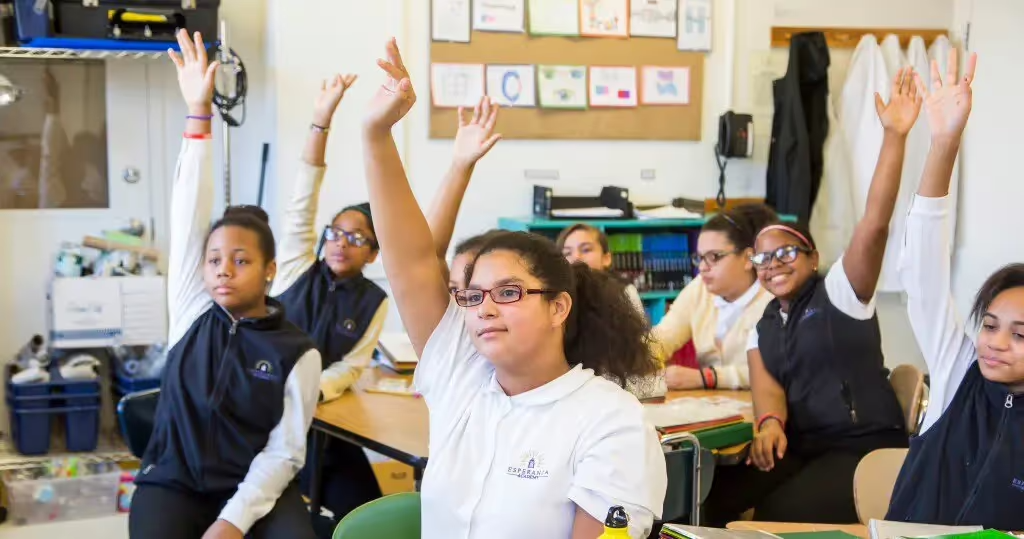
In one of our partner districts in Massachusetts, educators recently shared results that stood out across the district. At one school using Medley, multilingual learners showed reading growth that was approximately double that of many other schools and the highest growth in the district. School leaders pointed to their implementation of Medley as an important factor in that progress. By giving students immediate access to language scaffolds, Medley helped students engage more confidently with complex texts. Over time, teachers saw improvements not only in reading comprehension and writing development, allowing them to participate more fully in grade-level tasks. In collaboration with the educators at the district, we hypothesize that Medley had a broader effect on the school community. Providing students with access to truly appropriate scaffolds deepened educators’ awareness of what effective scaffolding looks like, and the different levels of support multilingual learners may need to succeed. These nuances helped spark more coherent conversations across the system about how best to support multilingual learners. Together, these shifts show how providing students with the right supports can strengthen both individual learning outcomes and a school community’s overall approach to supporting multilingual learners.